
Introduction
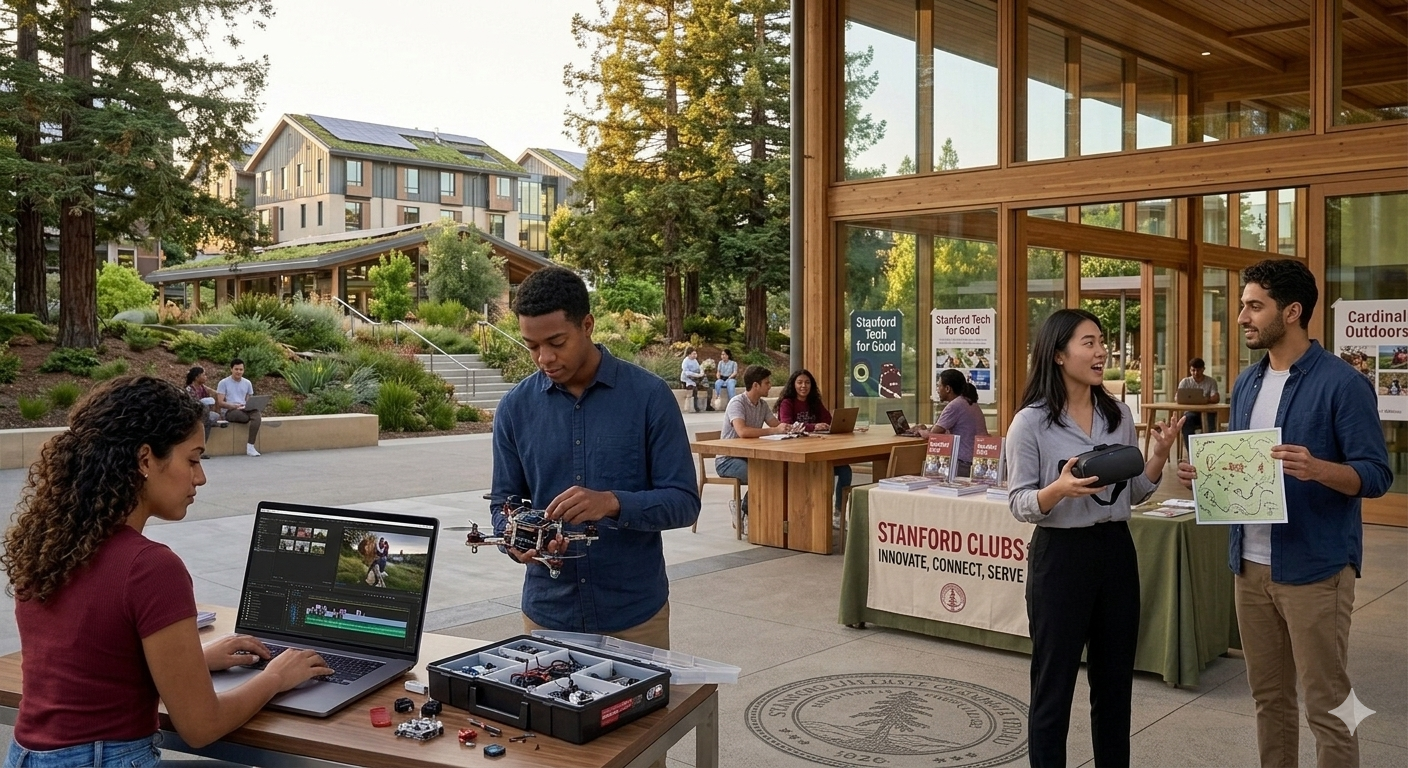
Stanford University Student Life 2026: Housing, Campus Culture, Clubs and Student Experience Academic rankings, admissions statistics, and career outcomes are important factors when choosing a university. However, students spend far more time living on campus than reading ranking tables. The quality of student life often determines whether college becomes a transformational experience or simply an educational requirement.
Stanford University is known worldwide for academic excellence, innovation, and entrepreneurship. Yet one of its greatest strengths is the student experience it offers outside the classroom. From residential communities and student organizations to athletic traditions and entrepreneurial culture, Stanford provides an environment where students can grow academically, socially, and professionally.
Located in the heart of Silicon Valley, Stanford combines the resources of a world-class research university with the atmosphere of a vibrant residential community. Students have access to cutting-edge facilities, diverse cultural experiences, outdoor recreation, leadership opportunities, and one of the most active campus communities in the United States.
This guide explores Stanford University’s student life, including housing, campus culture, extracurricular activities, dining, athletics, traditions, and what students can expect during their time at Stanford.
What Is Student Life Like at Stanford University?
Stanford offers a unique college experience that blends academic rigor with creativity, collaboration, and personal exploration.
Students often describe Stanford as:
- Innovative
- Collaborative
- Diverse
- Entrepreneurial
- Inclusive
- Academically challenging
Unlike some highly competitive universities where students feel intense pressure, Stanford has developed a reputation for fostering collaboration alongside academic excellence.
Students are encouraged to pursue their interests, explore new ideas, and engage with peers from different backgrounds.
Stanford’s Campus Environment
One of Stanford’s most attractive features is its campus.
The university sits on a large and beautiful campus in Northern California, offering a blend of historic architecture, modern facilities, open green spaces, and world-class research centers.
Why Students Love the Campus
Stanford’s campus provides:
- Extensive outdoor spaces
- Modern academic facilities
- Research laboratories
- Athletic complexes
- Student centers
- Cultural venues
The pleasant California climate also allows students to spend significant time outdoors throughout the year.
Residential Life at Stanford University
Housing is a central part of the Stanford experience.
Unlike universities where students frequently move off-campus early in their academic careers, Stanford maintains a strong residential culture.
Why Residential Life Matters
Living on campus helps students:
- Build friendships
- Participate in campus events
- Access university resources
- Develop independence
- Create lasting memories
Residential communities often become students’ primary social networks during college.
Stanford University Housing Options
Stanford offers a variety of residential options designed to meet the needs of different students.
First-Year Housing
New students typically live in residence halls that help ease the transition from high school to university life.
Benefits include:
- Built-in social communities
- Academic support
- Resident advisors
- Community activities
These environments help students establish connections early in their college experience.
Upper-Class Housing
As students progress through college, they often gain access to additional housing options.
These communities may offer:
- Greater independence
- Specialized themes
- Diverse living arrangements
- Leadership opportunities
Many students appreciate the flexibility available throughout their university years.
Stanford’s Collaborative Campus Culture
One misconception about elite universities is that students constantly compete against one another.
While Stanford attracts ambitious and highly accomplished individuals, many students describe the culture as supportive and collaborative.
Academic Collaboration
Students frequently work together through:
- Study groups
- Research projects
- Team assignments
- Peer mentoring
Collaboration is viewed as an important part of the learning process.
This environment helps students develop teamwork skills that are valuable in both graduate education and professional careers.
Student Organizations and Clubs
Stanford offers a wide range of student organizations that allow students to pursue personal interests and develop leadership skills.
Why Join Student Organizations?
Participation helps students:
- Meet new people
- Build friendships
- Explore interests
- Gain leadership experience
- Strengthen professional skills
For many students, clubs become an essential part of their university experience.
Academic and Professional Organizations
Many organizations focus on specific academic disciplines and career interests.
Students interested in areas such as:
- Engineering
- Medicine
- Business
- Law
- Technology
- Public policy
can find communities that support their educational and professional goals.
These organizations often host:
- Guest speakers
- Career workshops
- Networking events
- Industry panels
Entrepreneurship and Innovation Culture
One characteristic that distinguishes Stanford from many universities is its entrepreneurial spirit.
The university’s location in Silicon Valley creates a culture that encourages innovation and creativity.
Opportunities for Entrepreneurs
Students interested in startups and business development often participate in:
- Innovation programs
- Startup competitions
- Venture incubators
- Entrepreneurship clubs
Many successful companies have roots connected to Stanford students and alumni.
Cultural and Diversity Organizations
Stanford’s student body includes individuals from diverse cultural, ethnic, and national backgrounds.
Cultural organizations provide opportunities for students to:
- Celebrate traditions
- Learn about different cultures
- Build supportive communities
- Promote inclusion
These groups contribute significantly to campus diversity and student engagement.
Leadership Development Opportunities
Leadership development is an important aspect of student life at Stanford.
Students can pursue leadership roles through:
- Student government
- Residential communities
- Volunteer programs
- Academic organizations
- Cultural groups
These experiences help students develop communication, decision-making, and organizational skills.
Athletics and School Spirit
Stanford has a rich athletic tradition and a strong culture of school pride.
Varsity Athletics
Stanford is known for excellence across numerous sports programs.
Athletics contribute to:
- Campus unity
- Student engagement
- School spirit
Sporting events often attract enthusiastic participation from students and alumni.
Recreational Sports and Fitness
Students who are not varsity athletes still have access to extensive recreational opportunities.
Popular options include:
- Intramural sports
- Club sports
- Fitness programs
- Outdoor recreation
These activities support physical health while helping students build social connections.
Dining and Food Culture
Food is an important part of daily student life.
Stanford offers dining options designed to accommodate diverse dietary preferences and lifestyles.
Dining Features
Students often appreciate:
- Multiple dining locations
- Flexible meal plans
- Vegetarian options
- International cuisine
- Healthy food choices
Dining spaces also serve as social gathering places where students connect with friends and classmates.
Research Opportunities for Undergraduate Students
Stanford’s research culture extends beyond graduate education.
Many undergraduates participate directly in research projects.
Benefits of Undergraduate Research
Research experiences help students:
- Apply classroom knowledge
- Develop analytical skills
- Explore career interests
- Build professional relationships
Participation in research can also strengthen graduate school applications and career prospects.
Community Service and Civic Engagement
Many Stanford students are actively involved in service initiatives.
Community engagement programs encourage students to contribute to society through meaningful action.
Benefits of Service Activities
Students often develop:
- Leadership skills
- Cultural awareness
- Problem-solving abilities
- Community connections
Volunteer experiences frequently become some of the most rewarding aspects of university life.
Diversity and Inclusion at Stanford
Stanford prioritizes creating an environment where students from all backgrounds feel valued and supported.
A diverse campus community enhances:
- Classroom discussions
- Social experiences
- Global understanding
- Personal growth
Students benefit from learning alongside peers with different perspectives and life experiences.
Mental Health and Student Wellness
Balancing academics, extracurricular activities, and personal responsibilities can be challenging.
Stanford provides resources designed to support student well-being.
Available Support Services
Students may access:
- Counseling services
- Wellness programs
- Academic support resources
- Stress-management workshops
These resources help students maintain a healthy balance throughout their university experience.
Career Development and Professional Growth
Student life at Stanford is closely connected to career preparation.
Many students begin building professional skills from their first year on campus.
Career Support Resources
Students frequently utilize:
- Career advising
- Internship assistance
- Resume reviews
- Interview preparation
- Employer networking events
These resources help students transition successfully into graduate programs and professional careers.
What Students Enjoy Most About Stanford
Current students and alumni often highlight several strengths of the Stanford experience.
Frequently Mentioned Advantages
Students commonly praise:
- Beautiful campus
- Strong academics
- Collaborative culture
- Research opportunities
- Entrepreneurial environment
- Diverse community
These qualities contribute to Stanford’s reputation as one of the most desirable universities in the world.
Challenges Students Should Consider
Every university has challenges.
Prospective students should recognize that Stanford’s academic environment can be demanding.
Common challenges may include:
- Rigorous coursework
- Time-management demands
- Balancing multiple commitments
However, many students view these challenges as opportunities for personal and professional growth.
Is Stanford University the Right Fit for You?
Stanford may be an excellent choice if you:
- Enjoy academic challenges
- Value innovation and creativity
- Want research opportunities
- Appreciate diversity
- Seek leadership development
Students who actively engage with campus life often gain the most from the Stanford experience.
Conclusion
Stanford University offers far more than academic prestige. Its residential communities, collaborative culture, entrepreneurial mindset, research opportunities, athletic traditions, and diverse student organizations create a dynamic environment where students can thrive.
Whether participating in groundbreaking research, launching a startup, joining a cultural organization, competing in recreational sports, or building lifelong friendships, students have countless opportunities to shape their college experience.
For those seeking a university that combines world-class academics with a vibrant and supportive campus community, Stanford University remains one of the most rewarding choices in higher education.